Safe Winter Boarding Tips for Exotic Pets in Norfolk
Safe Winter Boarding Tips for Exotic Pets in Norfolk
As winter settles into Norfolk, many exotic pet owners begin to worry about how to keep their feathered, scaled, or small furry companions safe and comfortable while they are away. Exotic pets such as birds, reptiles, and small mammals have very specific needs, especially when it comes to temperature, humidity, and stress reduction. Planning for winter boarding is not just about finding a place to house your animal; it is about ensuring they receive species-appropriate care from a team that understands the unique challenges of exotic animal husbandry. At Westside Family Pet Clinic, located at 104 N 37th Street, Norfolk, NE 68701, our veterinary team is passionate about providing a safe, comfortable environment for every exotic guest. In this guide, we will walk you through how to choose the right boarding facility, what questions to ask, and how to prepare your exotic animal for a smooth winter boarding experience. We will also highlight how our veterinary boarding and grooming services are equipped to meet the needs of exotic species in Norfolk and surrounding communities.
Recognizing the Unique Winter Boarding Needs of Exotic Pets
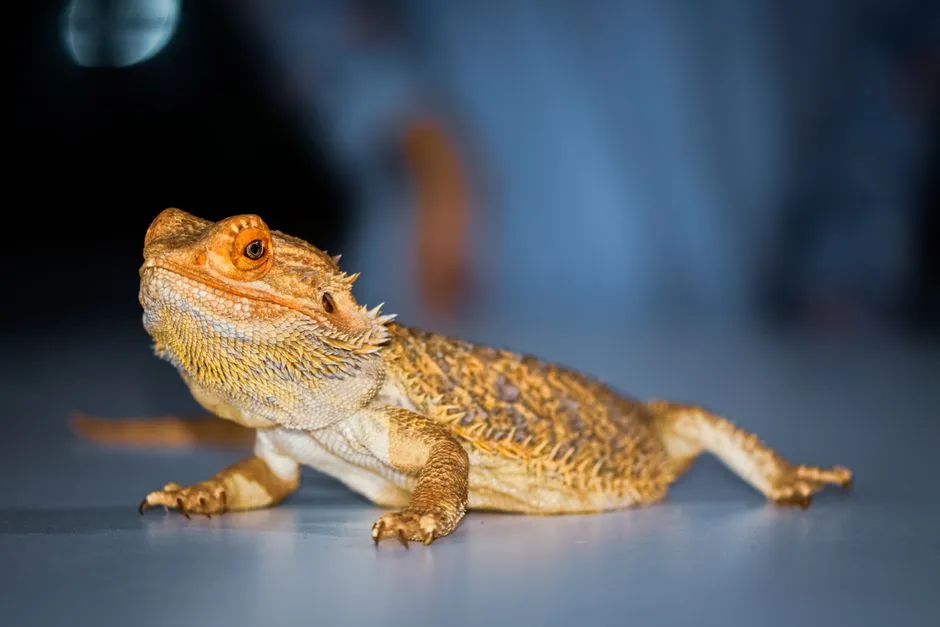
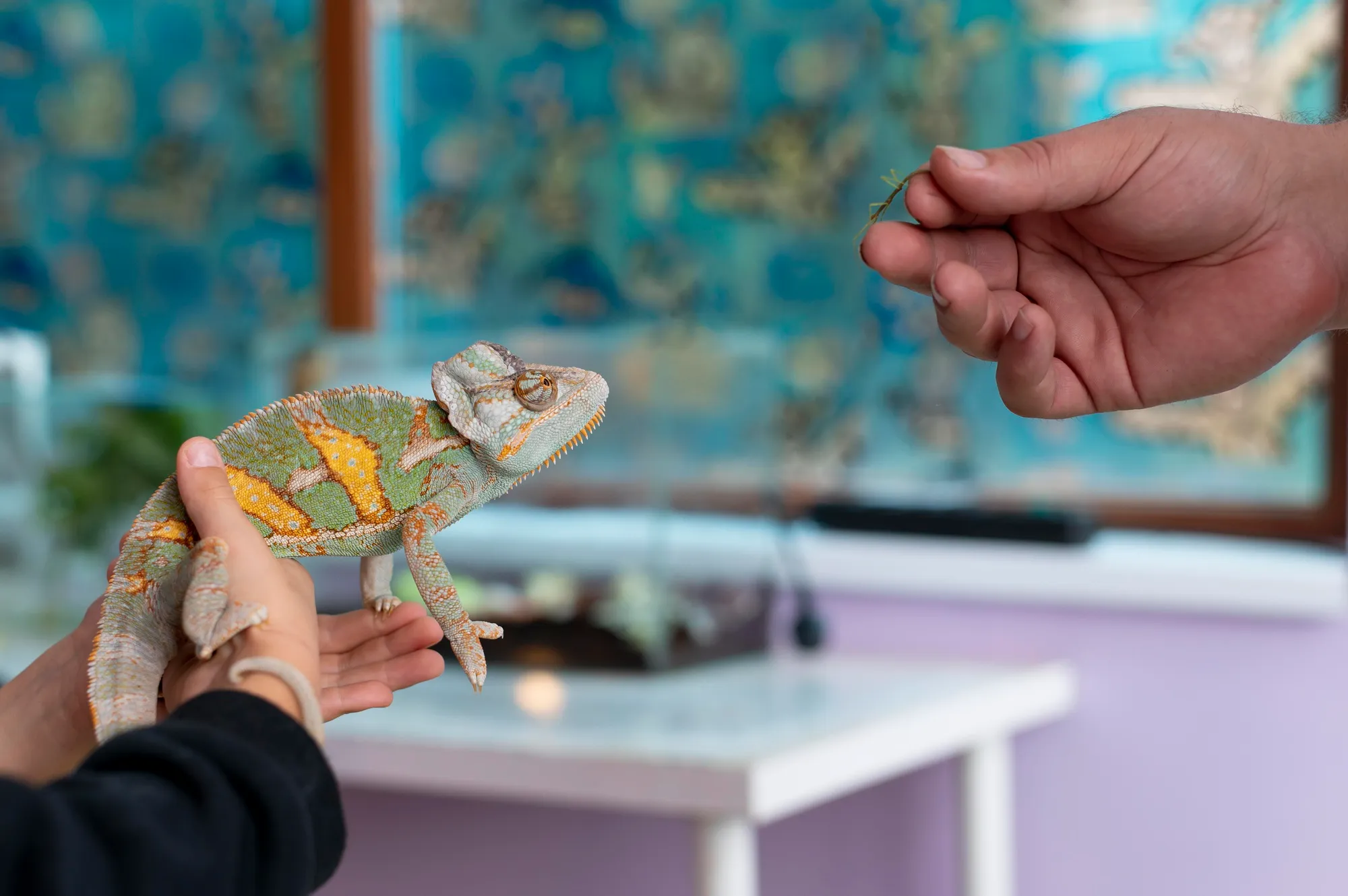
Exotic animals are highly sensitive to environmental changes, and winter presents additional challenges. Birds, reptiles, and small mammals each have specific requirements that differ significantly from those of dogs and cats. For instance, many birds are tropical species that need consistent warmth and humidity, while reptiles may require precise temperature gradients and basking areas. Small mammals like guinea pigs or ferrets are prone to respiratory issues if exposed to drafts or sudden drops in temperature. Signs that winter boarding considerations apply to your animal include owning a species that is not native to Nebraska’s climate, noticing your pet requires supplemental heat or humidity at home, or observing that your animal becomes stressed with changes in environment. If you have ever adjusted your home’s temperature or used special heating devices for your exotic animal, those needs must be addressed in any boarding situation as well.
Why Winter Poses Special Risks for Exotic Animals
The cold, dry conditions typical of Nebraska winters can have a dramatic impact on exotic species. Birds may experience feather plucking or respiratory distress if the air is too dry or the temperature fluctuates. Reptiles are at risk for metabolic problems and immune suppression if their environment is not kept within a narrow, species-appropriate range. Small mammals might huddle, become lethargic, or stop eating if they are chilly or stressed. Additionally, the stress of being in a new environment can suppress immune systems, making exotics more susceptible to illness. Facilities that primarily cater to dogs and cats might not have the knowledge or infrastructure to provide the specialized care required for exotics during the winter. This is why it is so important to choose a boarding facility like Westside Family Pet Clinic that has experience, veterinary oversight, and environmental controls specifically tailored to exotic animals.
How Westside Family Pet Clinic Provides Safe Winter Exotic Pet Boarding
At Westside Family Pet Clinic, we understand the importance of creating a safe, supportive environment for every exotic guest. Our veterinary boarding and grooming services include temperature- and humidity-controlled spaces, individualized care routines, and daily monitoring by our team of veterinarians. When your bird, reptile, or small mammal stays with us, we ensure that their enclosure is set up according to their species’ needs, including appropriate heating elements, UVB lighting for reptiles, and ample opportunities for mental stimulation and exercise. Our veterinary professionals are trained to recognize early signs of stress, illness, or discomfort in exotics, allowing us to intervene quickly if any issues arise. We also encourage you to bring your animal’s usual food, favorite hideouts, and familiar toys to help ease the transition. For birds, we take special care to avoid drafts and sudden temperature changes, while for reptiles, we maintain their preferred basking and cooling spots. Small mammals are provided with cozy bedding and nesting materials, helping them feel secure even when the winter winds are howling outside.
Preparing Your Exotic Pet for Winter Boarding
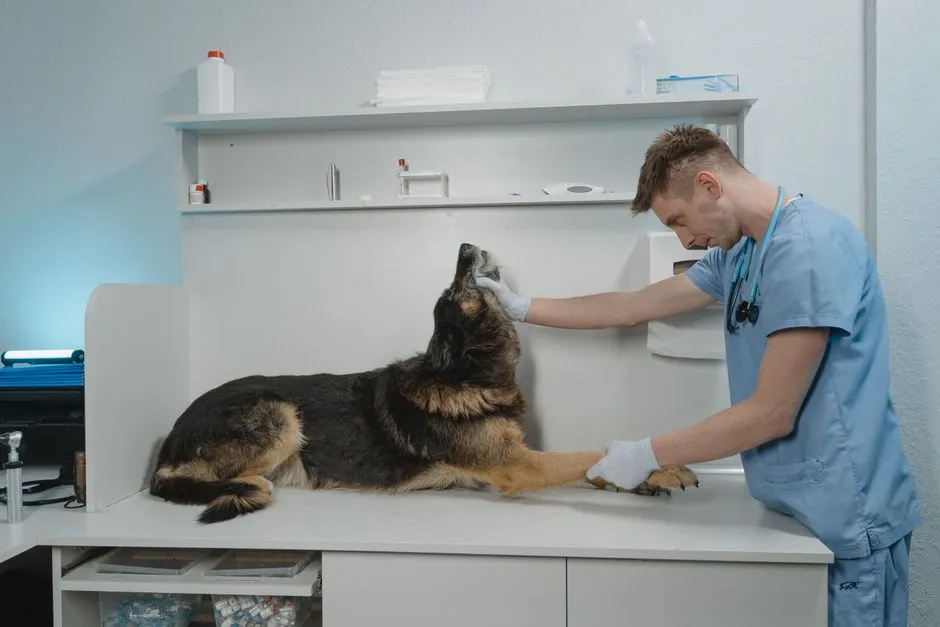
A smooth boarding experience starts with careful preparation. Before your animal’s stay, it is important to schedule a comprehensive physical examination with our veterinary team to ensure your exotic is healthy and ready for boarding. This allows us to address any underlying health issues, update preventative care, and discuss your animal’s individual needs. When packing for your exotic's stay, include enough of their regular food to last the entire boarding period, as sudden dietary changes can cause digestive upset or refusal to eat. Bringing familiar items such as favorite perches, hides, or bedding can provide comfort. For reptiles, include instructions about their preferred basking temperatures and lighting schedule. Birds may benefit from a cover for their cage at night and a checklist of their favorite foods and treats. Small mammals should arrive with their preferred bedding and enrichment items, as well as a description of their daily routine. Communicating your animal’s habits, quirks, and medical history to our veterinary team helps us provide truly individualized care.
Preventing Common Winter Boarding Problems in Exotic Pets
To help prevent issues during your exotic animal’s stay, it is critical to choose a facility that offers veterinary supervision and species-specific husbandry. Problems such as dehydration, hypothermia, and stress-related illness are more likely to occur in environments where temperature, humidity, and diet are not carefully managed. At Westside Family Pet Clinic, our protocols include daily health checks, monitoring food and water intake, and regular enclosure cleaning to reduce disease risk. We also prioritize minimizing stress by maintaining consistent routines and giving animals plenty of time to acclimate when they arrive. If your exotic pet has a history of anxiety or medical problems, discuss these concerns with our veterinarians before boarding. We can develop a plan for medication administration, extra monitoring, or environmental modifications as needed. Our goal is always to support your animal’s physical and emotional well-being throughout their stay.
When to Seek Veterinary Care During or After Boarding
Even with the best preparation, exotic animals may become ill or stressed during boarding, especially in winter. Warning signs that require immediate veterinary attention include sudden changes in behavior, refusal to eat, labored breathing, discharge from the eyes or nose, or any signs of injury. Birds that fluff up and remain inactive, reptiles that stop basking or become unresponsive, and small mammals that hide excessively or develop diarrhea all signal that prompt evaluation is needed. If these signs are observed while your animal is in our care, our veterinary team will initiate a thorough examination and contact you to discuss next steps. After returning home, monitor your animal closely for several days, as some issues related to boarding stress can emerge after the fact. If you notice anything concerning, reach out to our veterinary team for advice or to schedule a follow-up visit. For urgent needs, our emergency veterinary care services are always available during business hours.
Trust Westside Family Pet Clinic for Exceptional Exotic Pet Boarding This Winter
Boarding your exotic pet during Norfolk’s chilly season does not have to be a source of stress. By choosing a facility with veterinary oversight, individualized care, and a deep understanding of exotic species, you can enjoy peace of mind knowing your animal is in good hands. At Westside Family Pet Clinic, our veterinarians are dedicated to keeping your bird, reptile, or small mammal healthy, comfortable, and happy throughout their stay. Whether you are planning a short trip or an extended winter getaway, we invite you to schedule an appointment to discuss your exotic animal’s needs. For more details about our boarding options, visit our veterinary boarding and grooming services page or get to know our veterinary team and their expertise in exotic medicine. When searching for a veterinarian near me who truly understands the needs of exotic animals, trust Westside Family Pet Clinic to provide compassionate, expert care. To schedule your exotic pet’s winter boarding or a pre-boarding health check, call us at (402) 844-4738 or stop by our convenient location at 104 N 37th Street, Norfolk, NE 68701. Your exotic companion deserves the very best this winter—and so do you.