Dental Care Essentials for Exotic Pets in Norfolk

Dental Care Essentials for Exotic Pets in Norfolk
Caring for exotic pets brings unique joys and responsibilities, especially when it comes to their dental health. Whether you share your home with a curious parrot, a playful ferret, a gentle rabbit, or a fascinating reptile, understanding how to protect your companion’s teeth and mouth is vital for their overall wellbeing. At Westside Family Pet Clinic, located at 104 N 37th Street, Norfolk, NE 68701, our team of veterinarians specializes in comprehensive dental care for exotic species, delivering advanced diagnostics and treatment to keep your unique friend happy and healthy.
This guide will help you recognize common dental problems in exotic pets, explain why these issues develop, and walk you through professional treatment options available at our Norfolk veterinary clinic. You’ll also learn practical steps for at-home dental care and how to know when it’s time to schedule an appointment with our experienced veterinary professionals. If you’re searching for reliable dental care for your exotic pet in Norfolk and surrounding communities, you’ll find all the essentials right here.
Recognizing Dental Problems in Exotic Pets
Exotic pets often hide signs of discomfort, making it challenging for owners to notice dental disease until it’s advanced. However, subtle changes in eating habits, behavior, or appearance can indicate something is wrong with your companion’s mouth.
Warning Signs in Birds, Small Mammals, and Reptiles
For birds, symptoms of dental or beak issues include difficulty eating, dropping food, visible overgrowth or abnormal beak alignment, and a reduced willingness to vocalize. Small mammals such as rabbits, guinea pigs, and ferrets may show signs like reduced appetite, weight loss, drooling, pawing at the mouth, or visible overgrowth and misalignment of teeth. In reptiles, dental disease can manifest as swollen jaws, visible mouth sores, discolored gums, or reluctance to eat.
It’s important to observe your exotic pet closely for changes in chewing, grooming, or their usual level of activity. Other signs of dental discomfort can include bad breath, tooth grinding, facial swelling, and, in some cases, discharge from the mouth or nose. Early detection is key; addressing dental issues before they progress helps ensure your companion’s long-term comfort and health.
Why Dental Disease Develops in Exotic Pets
Exotic species each have unique dental and oral health needs. Understanding the underlying causes of dental disease for your pet’s species can help you prevent problems before they start.
Species-Specific Causes
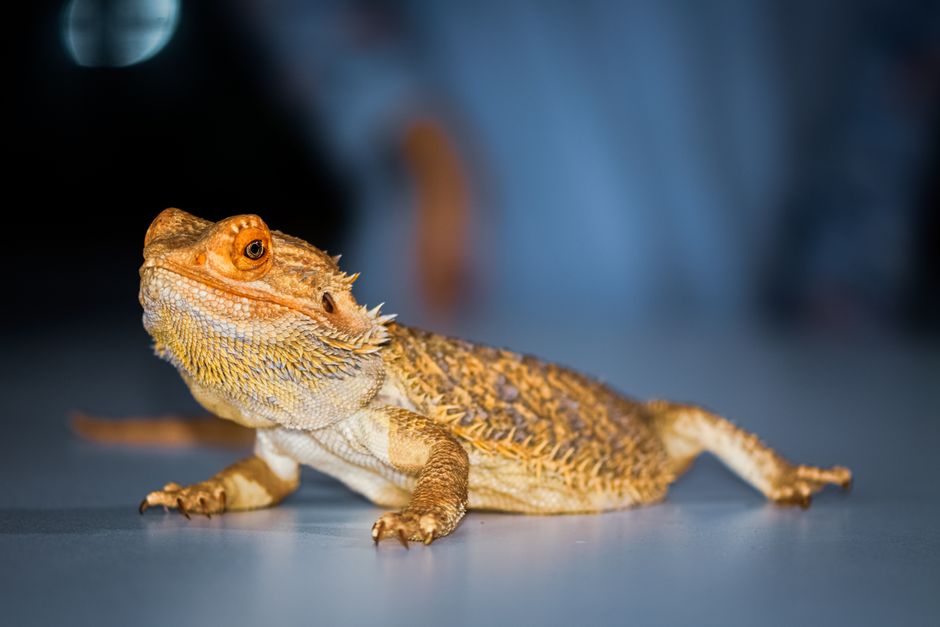
Many small mammals—such as rabbits and guinea pigs—have teeth that grow continuously. If their diet lacks the proper amount of fiber and abrasive foods, their teeth may not wear down naturally, leading to overgrowth, malocclusion, and painful mouth injuries. Birds can develop beak overgrowth or abnormalities due to poor diet, trauma, or underlying metabolic issues. In reptiles, improper humidity, nutrition, or substrate can cause stomatitis (mouth rot), dental abscesses, or retained shed around the mouth.
Dental disease in exotic pets may also result from genetics, trauma, infection, or chronic health problems. Inadequate husbandry, such as a lack of appropriate chewing materials for rodents or improper UV lighting for reptiles, can further increase the risk. Even with the best home care, some individuals are predisposed to dental challenges and require regular veterinary attention.
Professional Dental Care for Exotic Pets in Norfolk
At Westside Family Pet Clinic, we take pride in offering advanced dental services tailored to the needs of exotic pets. Our team utilizes specialized equipment and techniques to safely examine, diagnose, and treat dental problems in birds, reptiles, and small mammals.
What to Expect During a Dental Exam
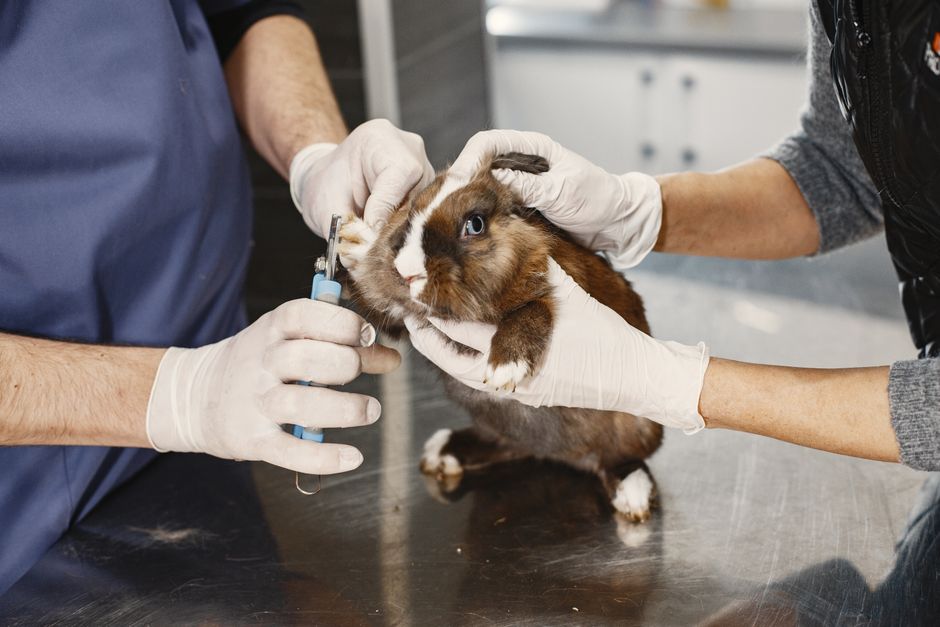
A comprehensive dental evaluation for your exotic pet involves a thorough physical exam, oral inspection, and, when appropriate, advanced imaging such as dental radiographs to assess tooth roots, jawbones, and any hidden abnormalities. For many small mammals, our veterinarians use gentle sedation to allow for a complete and stress-free exam. Depending on your pet’s needs, procedures may include beak trims for birds, tooth filing or extraction for rodents and rabbits, or treatment of oral infections in reptiles.
If advanced treatment is required, our clinic provides dental surgery services for pets in Norfolk, including tooth extractions, abscess treatment, and surgical management of oral masses or injuries. We prioritize your companion’s safety and comfort, using up-to-date anesthesia protocols and monitoring tailored to exotic species.
Benefits of Professional Teeth Cleaning and Extractions
Routine teeth cleaning focused on preventing gingivitis and maintaining oral health is essential in preventing dental disease and related health problems in exotic pets. If your companion suffers from advanced decay, infection, or painful overgrowth, pet tooth extraction services may be recommended to restore comfort and function. All procedures are performed with careful attention to the unique anatomy and needs of your pet’s species.
Preventing Dental Disease at Home
While professional veterinary care is vital, you play a crucial role in your exotic pet’s dental health. Simple, species-appropriate steps can make a profound difference in preventing future problems.
Nutrition and Environmental Enrichment
For small mammals, ensure your rabbit or guinea pig has unlimited access to fresh hay, as this supports natural tooth wear. Providing safe, chewable items—such as untreated wood blocks or commercial chew toys—encourages healthy gnawing behavior. Ferrets benefit from a high-protein diet and regular checks for retained baby teeth.
Birds require a balanced diet with appropriate seeds, pellets, and fresh produce. Regular beak use on perches, cuttlebones, and safe branches helps maintain proper beak shape. For reptiles, offer a diet tailored to species needs, maintain optimal humidity and temperature, and provide surfaces for natural wear and shedding.
Home Monitoring and Hygiene
Get into the habit of observing your exotic pet’s eating and grooming habits daily. Watch for subtle changes and gently inspect the mouth when possible. While brushing teeth is not always feasible with exotics, encouraging natural oral health behaviors through diet and enrichment is highly effective. Consult our veterinary team for specific recommendations based on your companion’s species and lifestyle.
When to Schedule Veterinary Dental Care
Exotic pets rely on attentive owners to notice early signs of dental trouble. Prompt veterinary attention can prevent minor issues from becoming serious health threats. Schedule a dental evaluation at Westside Family Pet Clinic if you notice decreased appetite, drooling, visible tooth or beak overgrowth, swelling, or signs of discomfort when eating or grooming. Even if you don’t observe obvious symptoms, routine dental checkups are recommended for many exotic species to catch hidden problems early.
Emergencies, such as sudden inability to eat, severe swelling, or bleeding from the mouth, require immediate veterinary care. Never attempt to trim teeth or beaks at home, as improper technique can cause pain, injury, or infection.
Our veterinary professionals are experienced in handling exotic pets with care and expertise. We encourage you to ask questions and share any concerns about your companion’s dental health during your visit.
Trust Westside Family Pet Clinic for Exotic Pet Dental Care in Norfolk
Maintaining excellent dental health is essential for the wellbeing of birds, reptiles, and small mammals. By recognizing early signs of dental disease, providing proper nutrition and enrichment, and scheduling regular veterinary checkups, you can help your exotic companion thrive. Westside Family Pet Clinic is proud to be Norfolk’s trusted resource for advanced dental care and preventive services for exotics.
If you’re searching for a veterinarian near me who understands the unique needs of exotic pets, our team is here to support you. Schedule a dental exam or consultation by calling (402) 844-4738, or visit us at 104 N 37th Street, Norfolk, NE 68701. To learn more about our comprehensive dental services, explore our pages on dental radiographs, teeth cleaning, and pet tooth extraction services for exotic pets. Our veterinarians are dedicated to keeping your unique companion healthy, comfortable, and thriving throughout every stage of life.
This blog is intended for educational purposes and should not replace individualized veterinary advice. Always consult with your veterinarian for specific concerns regarding your exotic pet’s dental health.