Recognizing Signs of Illness in Exotic Pets This Fall
Recognizing Signs of Illness in Exotic Pets This Fall
As the crisp autumn air settles in across Norfolk and the days grow shorter, many exotic pet owners find themselves paying closer attention to their birds, reptiles, and small mammals. Seasonal changes can be challenging for exotic species, and subtle shifts in behavior or appetite may signal underlying health concerns. At Westside Family Pet Clinic, located at 104 N 37th Street, Norfolk, NE 68701, our veterinary team understands how crucial early recognition and prompt veterinary care are for these unique companions. In this guide, we’ll help you identify early warning signs, explore the common causes of illness during the fall, and explain how to support your exotic pet’s health as the seasons change.
You’ll learn how to spot concerning symptoms in birds, reptiles, and small mammals, why exotic pets are particularly vulnerable to environmental stress, and what steps you can take at home and with our veterinary professionals to keep your companion thriving. Our team is committed to providing advanced diagnostic care and comprehensive wellness support for all exotic species in Norfolk and nearby communities.
Spotting the Early Signs of Illness in Exotic Pets
Recognizing illness in exotic pets often requires close observation and a keen understanding of normal species-specific behaviors. Because birds, reptiles, and small mammals are prey species in the wild, they instinctively mask symptoms until illness is advanced. This natural tendency can make it challenging for owners to notice health problems until they become severe.
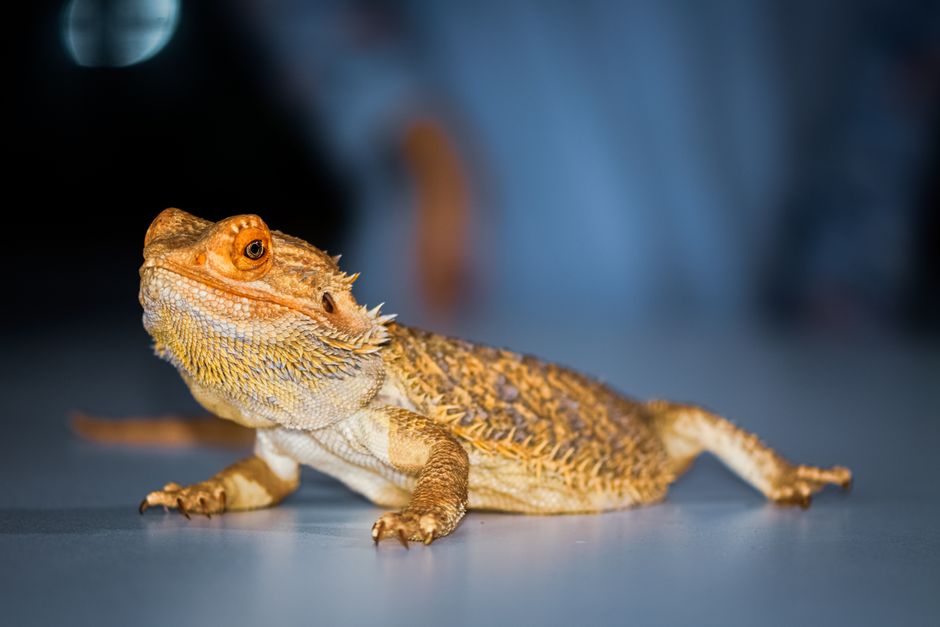
Key warning signs in birds may include a fluffed or ruffled appearance, reduced vocalization, changes in droppings, sitting low on the perch, or visible breathing effort. For reptiles such as snakes, turtles, and lizards, owners should watch for decreased activity, refusal to eat, swelling of the eyes or mouth, unusual shedding patterns, or discharge from the nostrils. Small mammals like rabbits, ferrets, guinea pigs, and hamsters may show subtle signs such as hiding more than usual, sneezing, drooling, changes in stool or urine production, or a rough, unkempt coat.
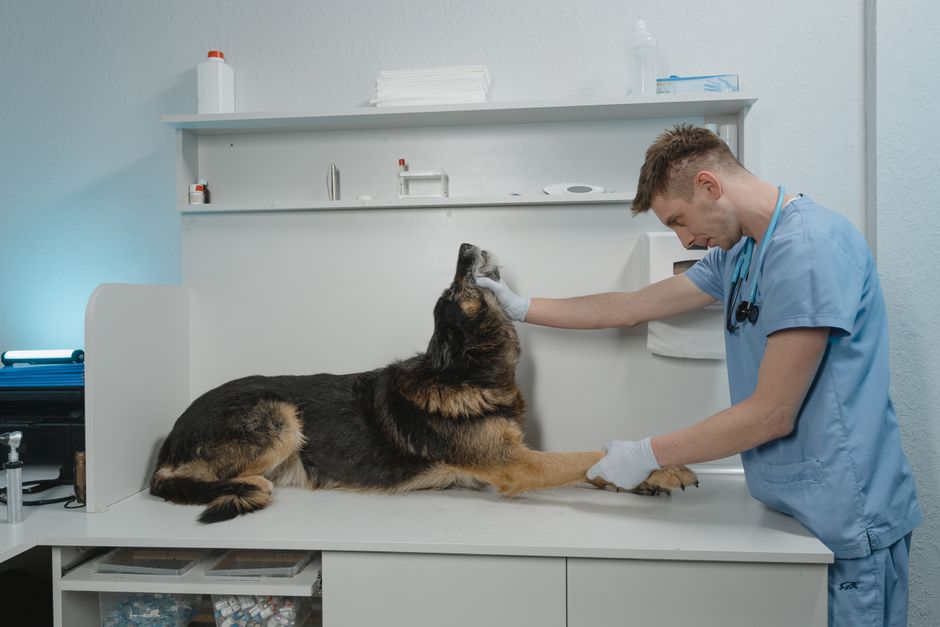
In all exotic pets, sudden weight loss, lethargy, and loss of appetite are critical red flags. Unusual aggression, changes in social behavior, or difficulty moving can also indicate discomfort or pain. If you notice any of these symptoms, or if your exotic pet just seems "off," it’s important to act quickly. Our veterinary team at Westside Family Pet Clinic offers comprehensive physical exams designed to detect early signs of illness in exotic species, supporting timely intervention and better outcomes.
Why Do Exotic Pets Get Sick in the Fall?
Autumn brings its own set of challenges for exotic pets in Norfolk and surrounding communities. As temperatures drop and humidity levels change, many species can become stressed by fluctuations in their environment. Birds and small mammals are susceptible to drafts and sudden cold snaps, especially if their cages are positioned near windows or exterior doors. For reptiles, changes in ambient temperature can disrupt their ability to regulate body heat, leading to weakened immune responses or metabolic issues.
Additionally, fall often means changes in household routines. With children returning to school and daylight hours decreasing, exotic pets may experience less interaction or altered feeding schedules. This stress, combined with environmental changes, can make them more vulnerable to respiratory infections, gastrointestinal problems, and even behavioral issues.
Another concern is indoor air quality. As windows stay closed and heating systems run more frequently, dust, mold, and airborne irritants can accumulate, affecting sensitive respiratory systems in birds and small mammals. For reptiles, inadequate humidity and improper lighting during the fall can result in skin issues, incomplete sheds, or even life-threatening complications.
Understanding these seasonal risk factors can help you create a more stable environment for your exotic companion and reduce the likelihood of illness.
Veterinary Diagnosis and Treatment: What to Expect
Seeking prompt veterinary care is essential when your exotic pet shows signs of illness. At Westside Family Pet Clinic, we are equipped with advanced diagnostic tools, including diagnostic laboratory services and veterinary ultrasound, which allow for thorough evaluation of birds, reptiles, and small mammals.
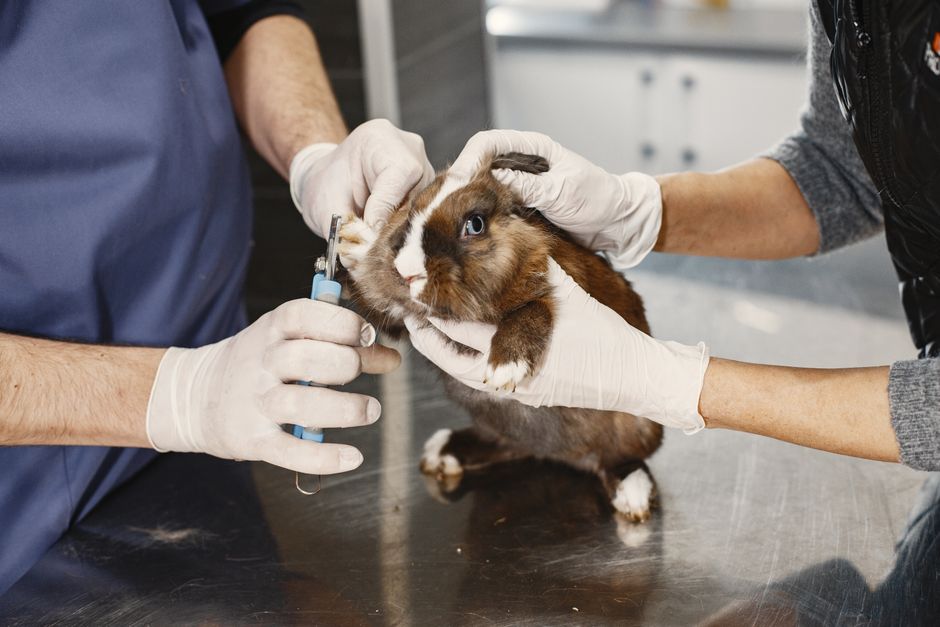
The diagnostic process may involve a detailed history, physical examination, and species-specific testing such as blood work, fecal analysis, or imaging. For example, a bird presenting with respiratory distress might undergo radiographs and a respiratory culture to identify infections or underlying organ issues. A reptile with poor appetite and lethargy could benefit from ultrasound imaging to assess internal organs and rule out reproductive or digestive concerns. Small mammals with dental problems may require oral examinations and dental radiographs to identify abscesses or overgrown teeth.
Treatment options depend on the diagnosis but often involve supportive care such as fluid therapy, medications tailored to exotic species, nutritional support, and environmental changes. Our veterinarians will work closely with you to develop a treatment plan that considers your pet’s individual needs, species-specific requirements, and your home environment. In some cases, hospitalization may be necessary for intensive care.
We understand how stressful it can be when your exotic pet is unwell. Our veterinary team is committed to providing compassionate, evidence-based care using the latest diagnostic and treatment modalities available to general practice.
Home Care and Prevention Tips for Exotic Pets in Autumn
Supporting your exotic pet’s health at home is an important part of illness prevention, especially as the seasons change. Start by reviewing your pet’s enclosure location, ensuring it is away from drafts, sudden temperature changes, and household traffic. For birds, maintaining a consistent photoperiod with supplemental lighting can help reduce stress during shorter days. Reptile owners should double-check that heating elements and UVB lighting are functioning properly, with temperature and humidity monitored using reliable gauges.
Cleanliness is vital. Regularly clean cages, water dishes, and bedding to reduce the risk of respiratory and gastrointestinal infections. Fresh food and water should be provided daily, and any uneaten perishable items should be removed promptly to prevent spoilage. For small mammals, inspect hideouts and bedding for dampness or mold, especially as the weather cools and condensation increases.
Monitor your exotic pet’s weight, eating habits, and droppings closely. Keeping a simple log can help identify subtle changes early, allowing you to act before symptoms become severe. If your pet is due for a wellness check or vaccinations, schedule an appointment with our veterinary team to discuss seasonal needs and preventive strategies.
When to Seek Veterinary Care for Your Exotic Pet
Because exotic pets often hide illness until it is advanced, timely veterinary evaluation is crucial when you notice warning signs. You should seek care if your bird has trouble breathing, is not eating, or displays sudden changes in droppings. For reptiles, refusal to eat for more than a week, lethargy, swelling, or abnormal shedding require prompt attention. Small mammals should be evaluated if they have diarrhea, are not eating, are struggling to breathe, or are hunched and lethargic.
Emergency signs in any exotic pet include labored breathing, collapse, seizures, severe bleeding, or sudden paralysis. In these situations, contact our veterinary team at Westside Family Pet Clinic immediately for emergency veterinary care. Early intervention can make a life-saving difference for exotic species.
For less urgent symptoms or for ongoing wellness support, our team is here to answer your questions and provide guidance. Remember, it is always better to err on the side of caution with exotic pets, as their conditions can worsen rapidly.
Supporting Your Exotic Pet’s Health at Westside Family Pet Clinic
Caring for an exotic pet is a unique and rewarding experience, but it comes with its own set of challenges—especially as fall brings changes to your home environment. By learning to recognize early signs of illness, understanding seasonal risk factors, and maintaining proactive home care, you can help your companion enjoy a healthy, comfortable autumn.
If you have questions about your bird, reptile, or small mammal’s health, or if you would like to schedule a comprehensive physical exam, our veterinary professionals are here to help. Our practice is dedicated to providing advanced diagnostic and preventive care for all exotic species in Norfolk and surrounding communities. When searching for a veterinarian near me who truly understands the needs of exotic pets, trust our experienced team to support you every step of the way.
To schedule an appointment or discuss your exotic pet’s health, call us at (402) 844-4738 or visit us at 104 N 37th Street, Norfolk, NE 68701. We look forward to partnering with you to keep your unique companion happy and healthy this fall and beyond.
This blog is intended for informational purposes only and does not replace professional veterinary care. If your exotic pet is showing signs of illness, consult with a veterinarian as soon as possible.