Preparing Exotic Pets for Winter in Norfolk, NE
Preparing Exotic Pets for Winter in Norfolk, NE
As temperatures begin to dip in Norfolk, NE, exotic pet owners often wonder how to keep their unique companions comfortable and healthy all winter long. Birds, reptiles, and small mammals each have specific needs when it comes to warmth, humidity, and lighting. With winter’s unpredictable chill, it is essential to understand how seasonal changes can impact your exotic pet’s health and well-being. At Westside Family Pet Clinic, located at 104 N 37th Street, Norfolk, NE 68701, our veterinary team is committed to helping you create a safe, comfortable environment for your exotic pets during the colder months. In this guide, you will find practical advice on habitat adjustments, warning signs of winter-related health issues, and tips on when to seek professional veterinary care. Whether you share your home with a parrot, gecko, chinchilla, or another exotic species, we are here to support your pet’s health through every season.
Recognizing Winter Stress in Exotic Pets
Exotic pets can be more sensitive to environmental changes than traditional household animals. During the winter, decreased temperatures and fluctuations in indoor humidity or lighting can cause noticeable stress. For birds, common signs of discomfort include fluffing up feathers for extended periods, decreased vocalization, or sitting quietly at the bottom of the cage. Small mammals such as guinea pigs, rabbits, and chinchillas may show symptoms like huddling in one spot, reduced activity, shivering, or changes in appetite. Reptiles, which rely on external heat sources, are particularly vulnerable. Warning signs in reptiles can range from lethargy and decreased appetite to difficulty shedding or changes in skin color. Observing these signals early on is crucial, as continued exposure to suboptimal conditions can lead to more serious health issues, such as respiratory infections or metabolic disturbances.
Why Winter Is Challenging for Exotic Species
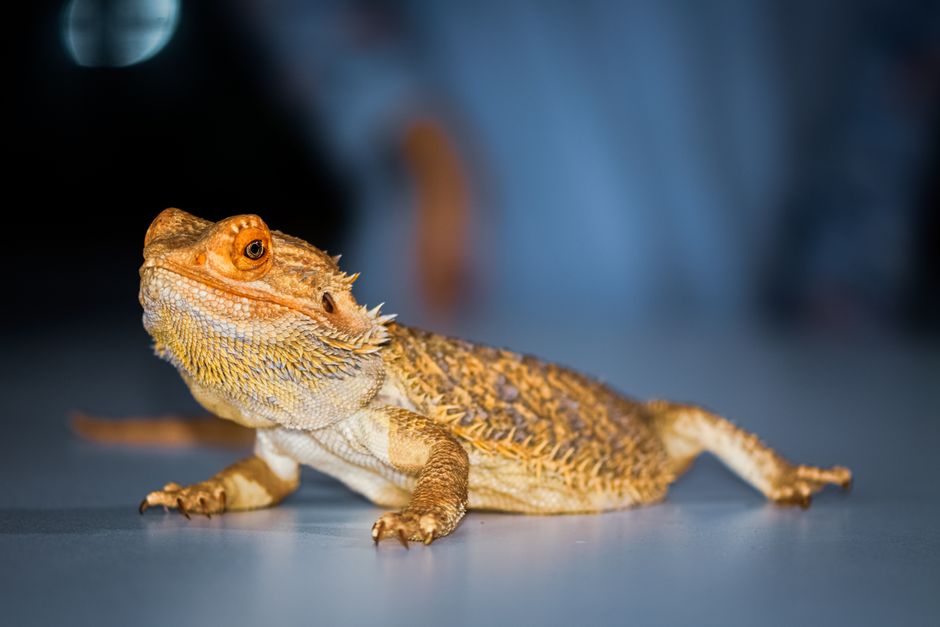
Many exotic pets originate from climates vastly different from Nebraska’s winter conditions. Birds from tropical regions are accustomed to stable temperatures and high humidity, while reptiles often require consistent heat and UVB light to maintain healthy metabolism and immune function. Small mammals may be adapted to cooler environments but are still vulnerable to drafts and sudden temperature drops. In the typical home, winter brings dry air from heating systems, inconsistent room temperatures, and shorter daylight hours. These factors can disrupt your pet’s natural rhythms and immune defenses. For example, a parrot used to tropical humidity may develop dry, flaky skin or feather plucking behaviors if the air becomes too dry. Similarly, a bearded dragon’s digestion can slow or even stop if its basking spot is not warm enough. Understanding these underlying challenges will help you anticipate and address your exotic pet’s needs before problems arise.
Creating a Safe, Warm Habitat: Adjustments for Winter
Keeping your exotic pet’s environment stable is the cornerstone of winter wellness. For birds, maintaining cage placement away from drafty windows and doors is essential. Using a cage cover at night can help retain warmth, and a humidifier in the room can preserve feather and skin health. Small mammals benefit from nesting materials and insulated enclosures, but it is important not to over-insulate and risk overheating or poor ventilation. Monitoring ambient temperature with a reliable thermometer ensures their comfort. Reptiles require special attention to their heat sources. During winter, supplemental heating devices such as ceramic heat emitters, under-tank heaters, or thermostatically controlled basking lamps may be necessary to keep enclosure temperatures within the species’ ideal range. It is important to use UVB bulbs designed for reptiles and replace them as recommended, since natural sunlight is limited in winter months. For all exotic pets, environmental humidity should be monitored and adjusted with misters or humidifiers as needed. Our veterinary team at Westside Family Pet Clinic can offer personalized advice on habitat modifications during a comprehensive physical examination, ensuring your exotic companion thrives even during Nebraska’s coldest weeks.
Special Considerations for Each Species
Birds, especially those native to warm and humid climates, may require extra moisture in the air. Misting your bird lightly (if species appropriate) and ensuring regular bathing opportunities can reduce the risk of dry skin or respiratory irritation. For reptiles, the focus should be on providing not only enough warmth but also maintaining the correct day-night lighting cycle, which can influence appetite and activity. Many small mammals are prone to respiratory issues if exposed to drafts, so cage placement and bedding choices become more important during winter. If you have questions about species-specific needs, our veterinary professionals are always available to help tailor advice to your pet’s unique requirements.
Preventing Winter Illnesses: Home Care Strategies
Proactive care at home can make a substantial difference in your exotic pet’s winter health. Start by monitoring your pet’s behavior daily. Any changes in activity level, eating habits, or appearance should prompt a closer look at environmental conditions. Regularly check and record enclosure temperatures and humidity levels, adjusting as needed. Clean your exotic pet’s habitat more frequently in winter, since closed windows and reduced air flow can increase the risk of respiratory infections. If your exotic pet’s enclosure relies on heat lamps or other electrical devices, inspect cords and fixtures for signs of wear to prevent accidents or outages. For birds and small mammals, provide enrichment activities to counteract the reduced daylight and keep them mentally stimulated. If you are unsure whether your home setup is adequate, scheduling a comprehensive physical examination can help identify areas for improvement and offer peace of mind as the season progresses.
When to Seek Veterinary Care for Winter Concerns
Despite your best efforts, some exotic pets may develop problems related to cold weather or habitat changes. Knowing when to contact a veterinary team can be life-saving. Immediate attention is warranted if your bird is having trouble breathing, sitting fluffed up and lethargic for extended periods, or showing signs of feather loss. For small mammals, labored breathing, persistent shivering, or refusal to eat are red flags. Reptiles require prompt veterinary assessment if they become extremely sluggish, stop eating entirely, have difficulty shedding, or exhibit abnormal skin color. Winter can also exacerbate pre-existing health conditions, so routine check-ups are especially important for older or previously ill exotic pets. The team at Westside Family Pet Clinic is equipped with advanced diagnostic care to evaluate complex cases and provide targeted treatment. If you ever suspect a sudden or severe health issue, do not wait for it to resolve on its own. Contact our veterinarians for guidance or to schedule an appointment.
Supporting Your Exotic Pet All Winter: Our Commitment
Caring for exotic animals during Nebraska’s winter requires a thoughtful approach and a willingness to adapt as weather and household conditions change. By staying attentive to your pet’s behavior, maintaining a stable habitat, and seeking regular veterinary guidance, you can help your companion thrive. At Westside Family Pet Clinic, our veterinary professionals understand the unique needs of birds, reptiles, and small mammals. We are always ready to help you with seasonal adjustments, health assessments, and advanced diagnostics if problems arise. When searching for a veterinarian near me with expertise in exotic pet care, you can trust our team to provide knowledgeable, compassionate service close to home.
If you have concerns about your exotic pet’s well-being this winter, or if you notice changes that worry you, we encourage you to schedule an appointment with our team. Visit us at 104 N 37th Street, Norfolk, NE 68701, call (402) 844-4738, or explore our comprehensive physical examination services for exotic pets. Our commitment is to provide the best possible care and guidance for every unique animal that comes through our doors. Your exotic companion deserves a safe, healthy, and comfortable winter season—let us help you make it happen.